Search and rescue · Distress information · Response
A distress alert starts the process. Rescue coordinators still need a usable picture: where you are, what is happening, who is at risk and what may change before help arrives.
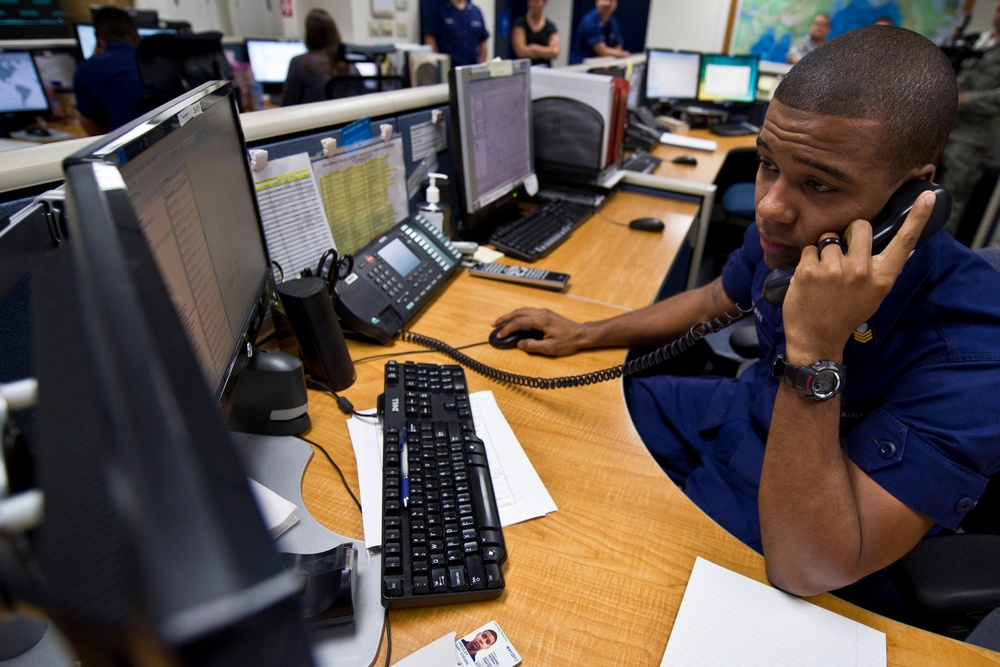
Position is the beginning
A current position with time and an indication of accuracy gives planners a starting point. Course, speed, drift and the last known position matter when the vessel is moving or the position is uncertain. Never disguise a guess as a fix.
Describe the actual problem
“We need help” does not reveal whether the threat is fire, flooding, grounding, loss of propulsion, medical emergency or people in the water. The nature and rate of deterioration influence which resources are tasked and how quickly they must arrive.
Reliable communication is not measured by how much was transmitted, but by what the receiving side can understand and act upon.
People, vessel and survival equipment
Coordinators need the number of persons, injuries, vessel description and available lifesaving equipment. Intentions—remaining aboard, abandoning, anchoring or attempting repairs—change the search and rescue picture.
Keep the picture updated
Weather, visibility, battery state and communications available can all affect the response. Answer questions briefly, preserve power where necessary and report material changes. The purpose is not bureaucracy; it is to send the right help to the right place.