
The Difference Between Being Heard and Being Understood
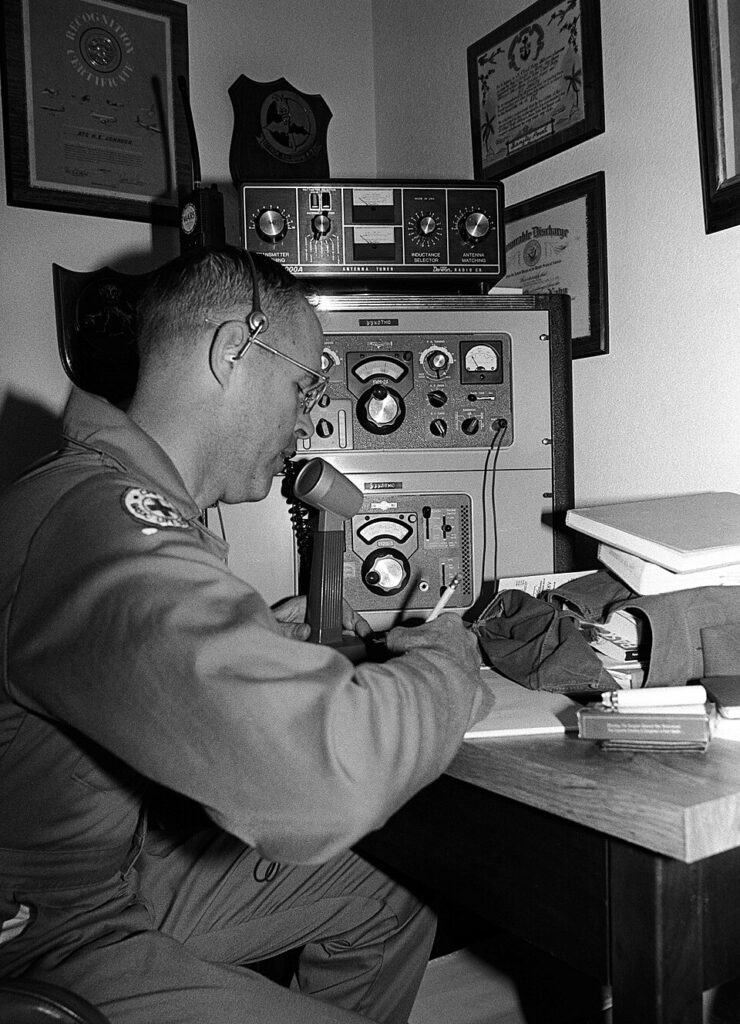
A strong signal can fill a loudspeaker and still fail to produce the right action. Maritime communication succeeds only when […]
Why Digital Alerts Still Need Human Follow-Up
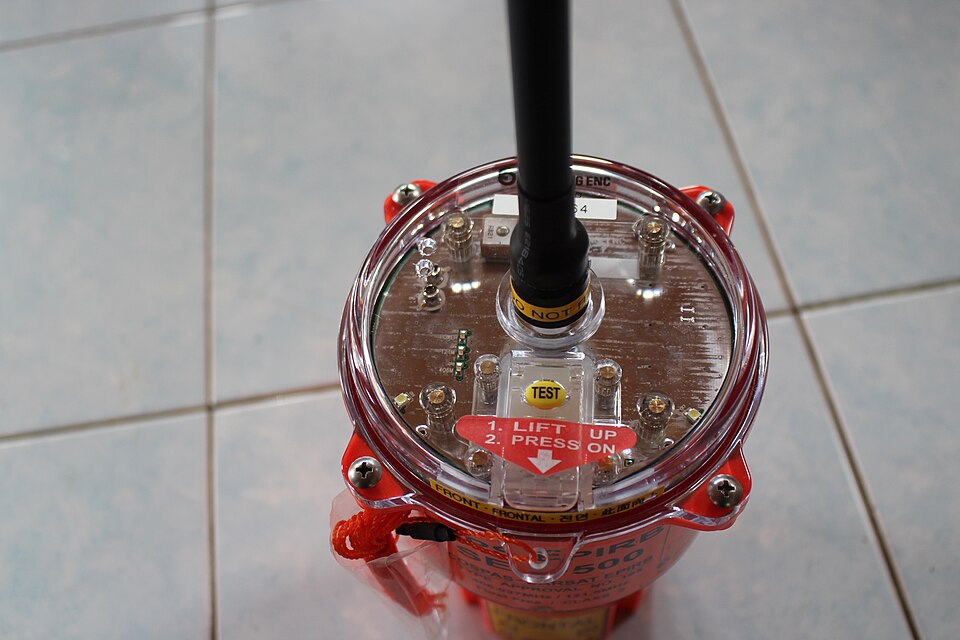
A digital distress alert can cross distance in seconds, carrying identity and sometimes position. It solves the first problem—getting attention—but […]
Why Your Position Is More Than Two Numbers
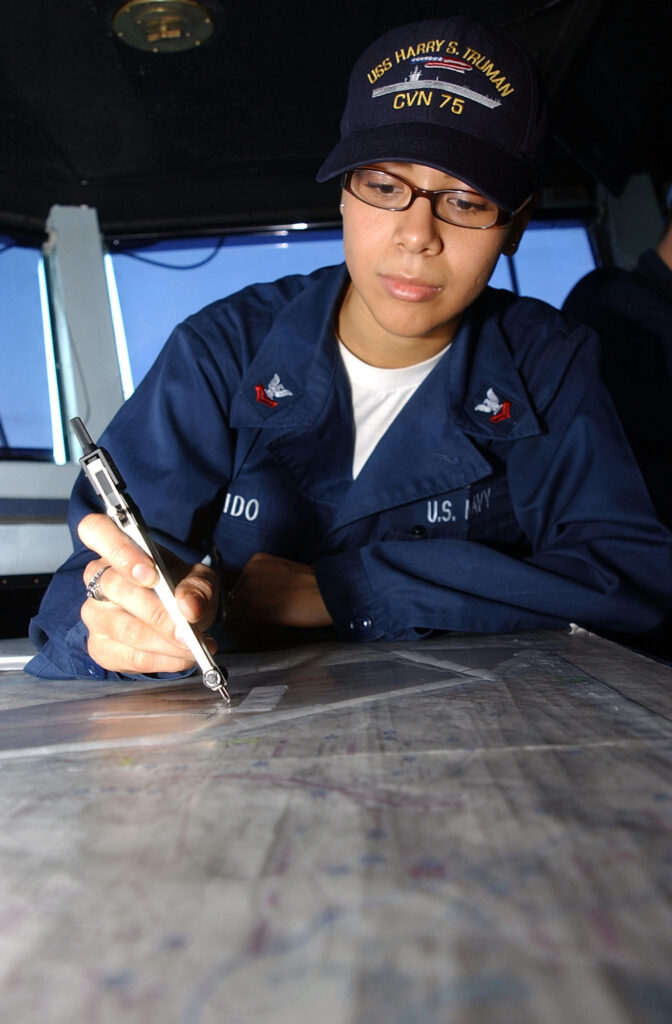
Latitude and longitude can point to a place. A useful position report must also tell rescuers when that place was […]
The 1909 Republic Disaster: When Wireless Proved It Could Save Lives
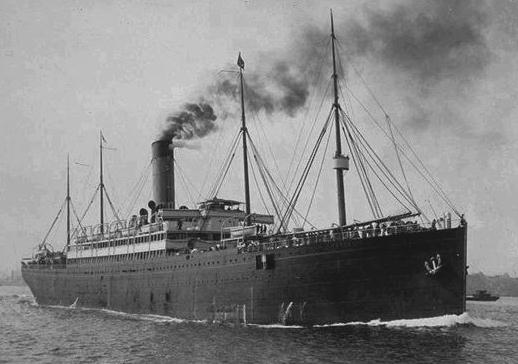
When the passenger liner Republic was struck in fog in 1909, wireless telegraphy helped turn a collision into a coordinated […]
The Fastnet Disaster: The Storm That Changed Offshore Sailing
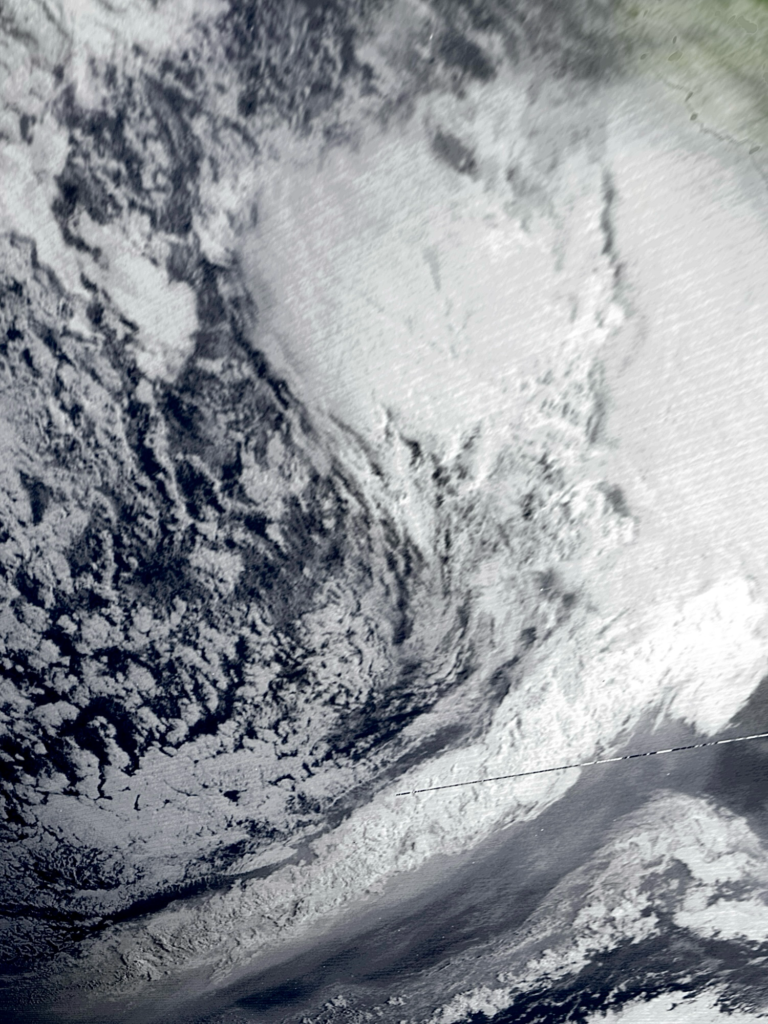
In August 1979, a summer ocean race met a storm that exposed the limits of forecasting, yacht design and offshore […]
The Andrea Doria Collision: Radar, Radio and Confusion in the Fog
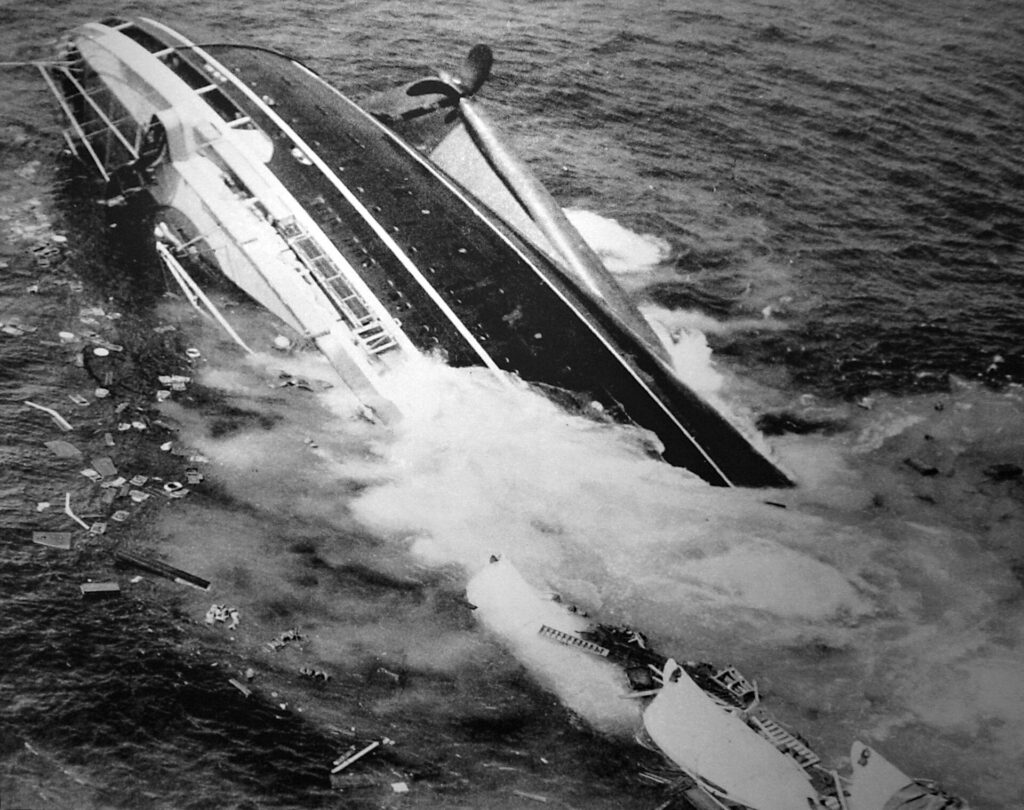
Maritime history · Collision · Rescue In dense fog off Nantucket in July 1956, two radar-equipped liners formed incompatible pictures […]
When Radio Officers Ruled the Airwaves
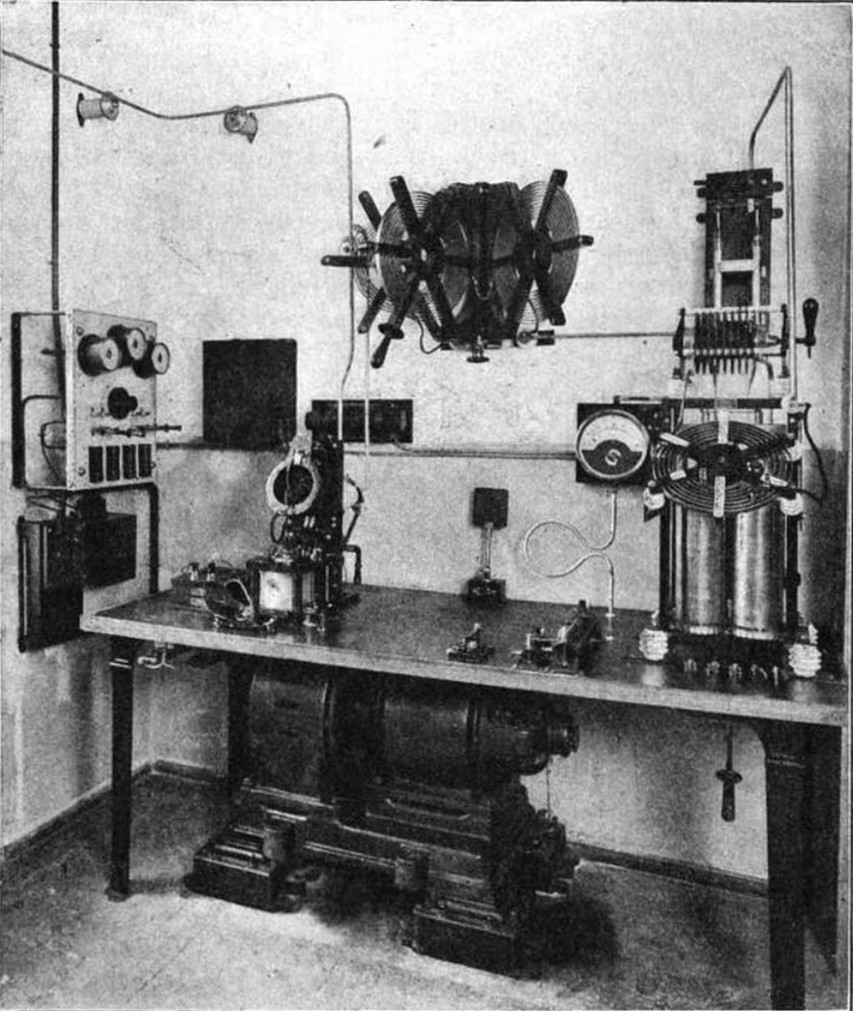
Maritime history · Working life · Wireless For much of the twentieth century, a ship’s connection to the world passed […]
What Happens After a Distress Alert Reaches Shore?
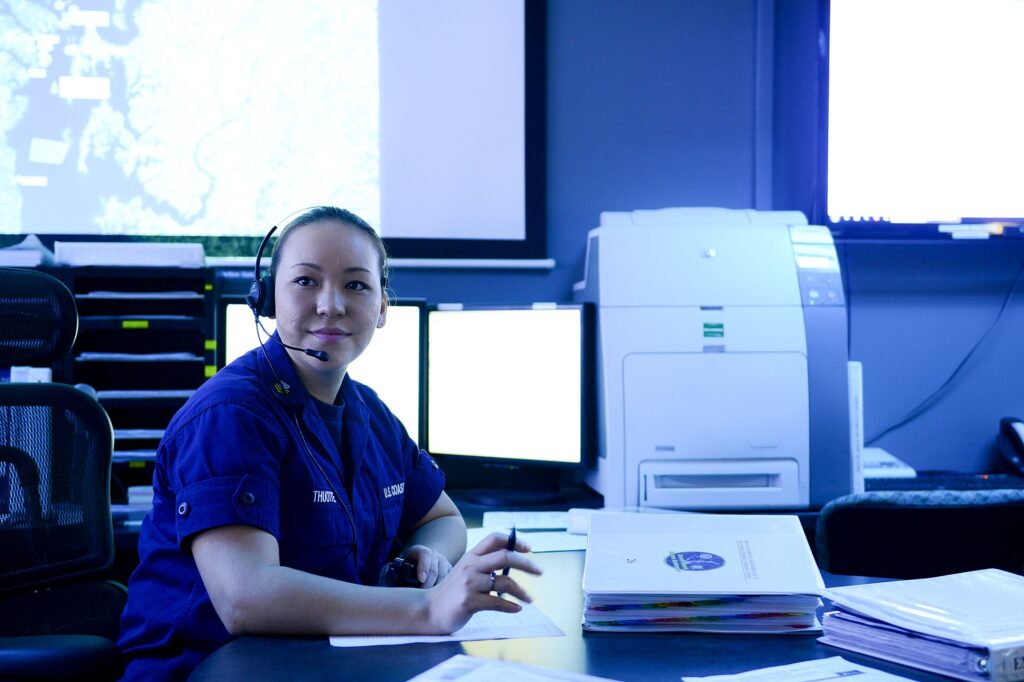
Practical insight · Rescue coordination · GMDSS A distress alert is not the rescue. It is the beginning of a […]
The Prinsendam Rescue: A Maritime Rescue Without a Single Life Lost
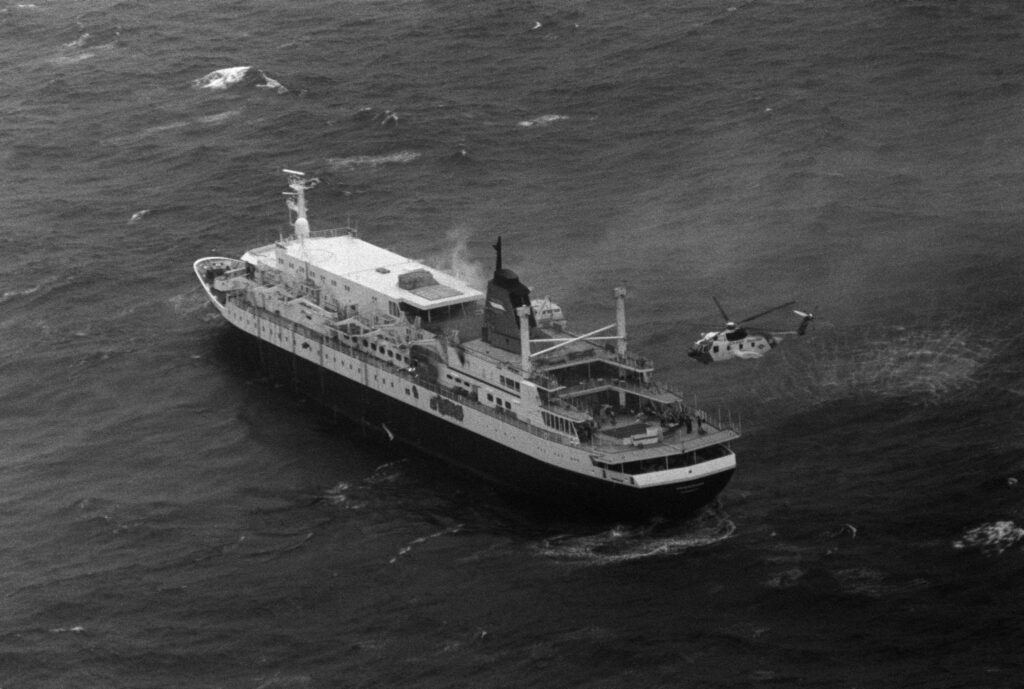
Maritime history · Search and rescue · Alaska When fire disabled the cruise ship Prinsendam in the Gulf of Alaska […]
The Birth of MAYDAY: How a French Phrase Became a Global Distress Call
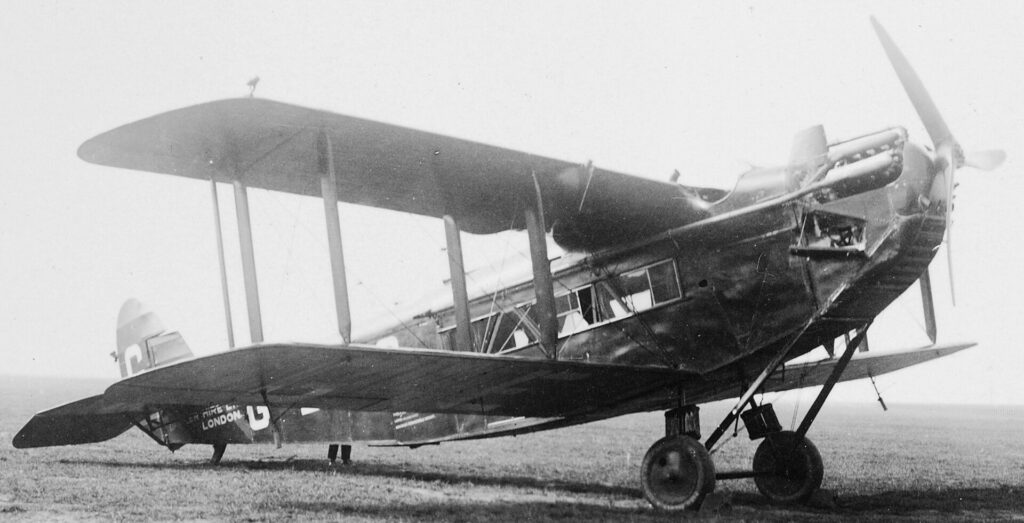
Maritime history · Distress calls · Radio language Before MAYDAY became one of the most recognisable words in safety communication, […]