
The Difference Between Being Heard and Being Understood
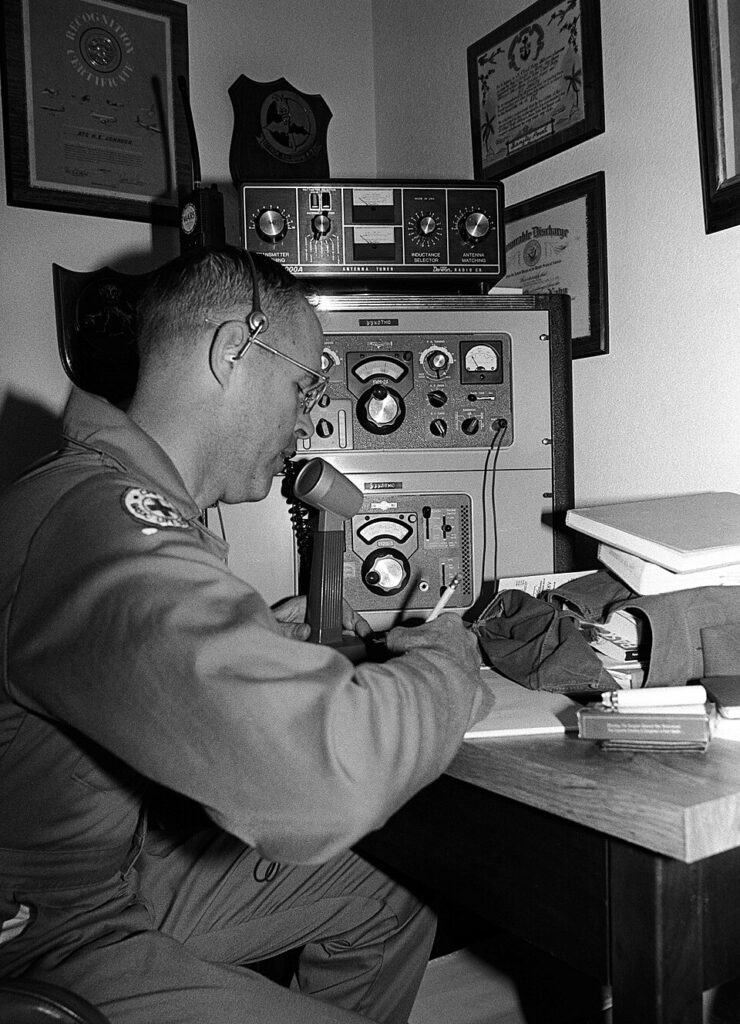
A strong signal can fill a loudspeaker and still fail to produce the right action. Maritime communication succeeds only when […]
Why Digital Alerts Still Need Human Follow-Up
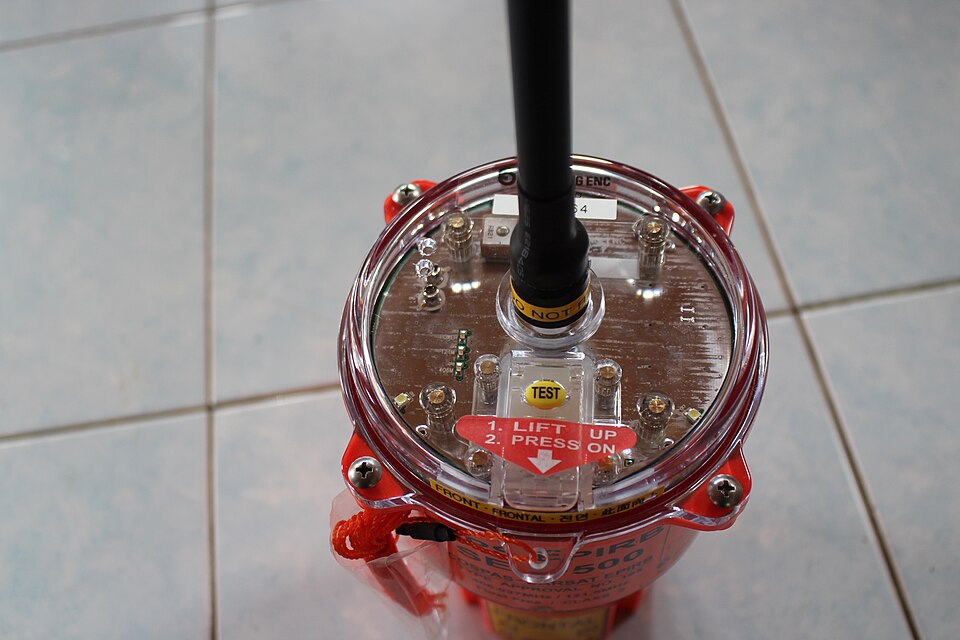
A digital distress alert can cross distance in seconds, carrying identity and sometimes position. It solves the first problem—getting attention—but […]
Why Your Position Is More Than Two Numbers
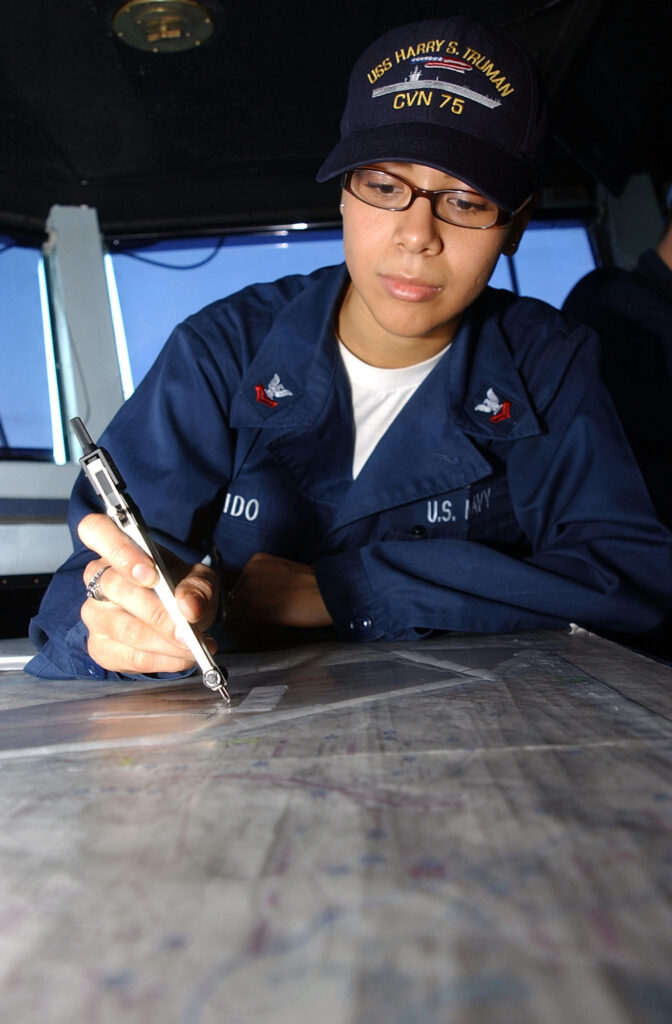
Latitude and longitude can point to a place. A useful position report must also tell rescuers when that place was […]
What Happens After a Distress Alert Reaches Shore?

Practical insight · Rescue coordination · GMDSS A distress alert is not the rescue. It is the beginning of a […]
Why Antenna Placement Matters More Than Transmitter Power
Antennas · VHF propagation · Installation For marine VHF, a few extra metres of antenna height can matter more than […]
What Rescue Coordinators Need to Know About Your Situation
Search and rescue · Distress information · Response A distress alert starts the process. Rescue coordinators still need a usable […]
When Language and Accents Complicate Communication at Sea
Language · Human factors · SMCP An accent is not a failure, and fluent everyday English is not the same […]
What a VHF Radio Can—and Cannot—Do Offshore
Range · Equipment · Offshore safety Marine VHF is immediate, familiar and extremely useful—but it is not a universal offshore […]
Why Radio Messages Break Down Under Stress
Human factors · Communications · Safety at sea A radio may work perfectly while the message itself fails. Under pressure, […]