Maritime history · Distress calls · Radio language
Before MAYDAY became one of the most recognisable words in safety communication, it belonged to a new and uncertain world of radio telephony linking London and Paris.
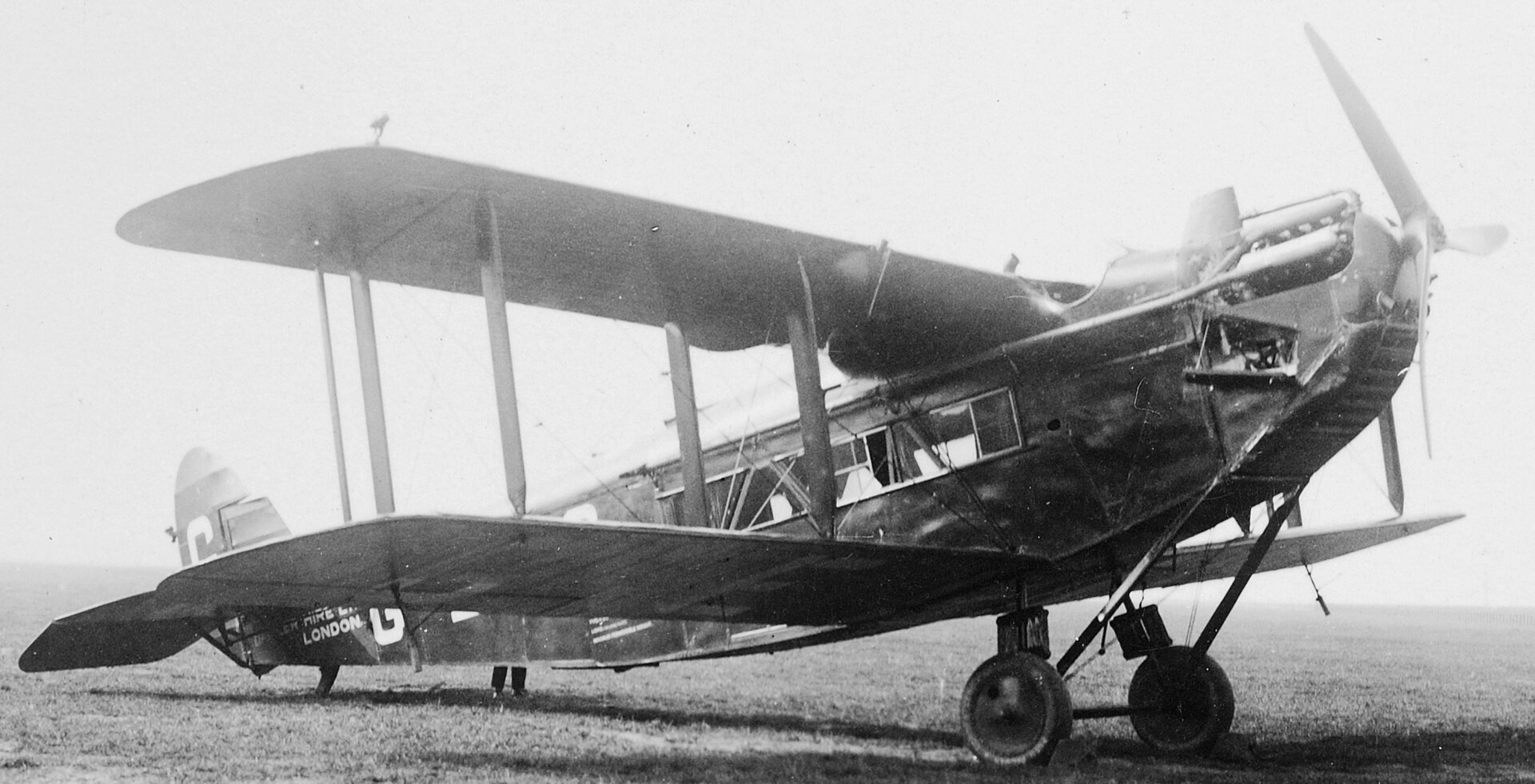
In early 1923, newspapers reported a new spoken distress signal for aircraft crossing the English Channel: may-day. It was short, distinctive and well suited to the voice radio circuits connecting Croydon Airport with continental Europe.
The familiar story says that Frederick Stanley Mockford, a radio officer at Croydon, proposed the word because it resembled the French m’aider—“help me.” Croydon Airport’s historical organisation preserves that attribution. But the surviving contemporary reports establish the introduction of the signal more securely than they establish every detail of its invention. The distinction matters: good history separates a well-supported event from a plausible story repeated later.
A problem created by voice radio
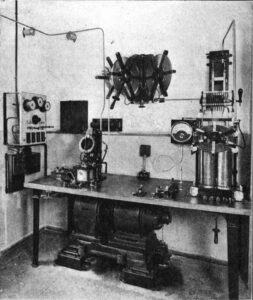
Wireless telegraphy already had distress signals. CQD had been used in the Marconi service, and SOS had been adopted internationally for Morse communication. Neither was an ordinary spoken word. As radiotelephony expanded, pilots and ground stations needed a voice signal that could cut through interference, accents and poor reception without being mistaken for routine conversation.
Croydon was an obvious place to confront that problem. It was London’s principal international airport, and much of its traffic crossed to Le Bourget near Paris. A word intelligible to English- and French-speaking operators had practical value. “Mayday” sounded natural over an English-language circuit while evoking French words associated with asking for help.
The strength of MAYDAY is not its literal translation. It is its unmistakable function.
From experiment to international signal
A report in The Times on 2 February 1923 described the new signal and an early test in which a flying boat reported engine failure in the Channel. Stations at Croydon and Lympne received the call, and assistance was quickly arranged from Dover. Later that year, aviation publications described its use on London–continental routes.
The 1927 International Radiotelegraph Convention in Washington incorporated MAYDAY into international radio rules for radiotelephony. The signal crossed from aviation into a wider international safety vocabulary and eventually became firmly established at sea.
Its adoption did not replace SOS overnight. SOS belonged to Morse radiotelegraphy; MAYDAY belonged to spoken radio. For decades, ships could operate in a world where telegraphy, radiotelephony and visual signals overlapped. The modern tendency to ask which signal “came first” can obscure the more useful point: different systems needed different ways to mark distress unmistakably.
Why the word endured
A distress word must survive conditions that work against understanding. The speaker may be frightened or injured. The receiver may hear only fragments. Static, engine noise and competing transmissions may remove context. MAYDAY is short, rhythmically clear and unlike ordinary operational language. Repetition makes recognition more robust without requiring a long explanation before listeners understand the priority.
That is why the word became more than a historical curiosity. It is an example of human-centred safety design: choose language for the conditions in which it must work, not for elegance on paper.
The story—and the evidence
Frederick Stanley Mockford deserves his place in the accepted institutional history of Croydon Airport. At the same time, responsible retellings should acknowledge that the detailed “asked to invent a word” narrative is difficult to trace in surviving contemporary material. What can be said confidently is that MAYDAY entered British cross-Channel radiotelephony in 1923, that Croydon was central to that network, and that the term was internationally standardised within a few years.
A good distress signal does not need to tell the whole story. It needs to make everyone stop, listen and recognise that the next words matter.
References and further reading
- Historic Croydon Airport. “History.”
- David Wilton, Wordorigins.org. “Mayday.” Includes citations to contemporary reports in The Times and Aeronautical Digest.
- International Telecommunication Union. Historical Radio Regulations.